CZ-11 Hangar Processing Before Canister Loading
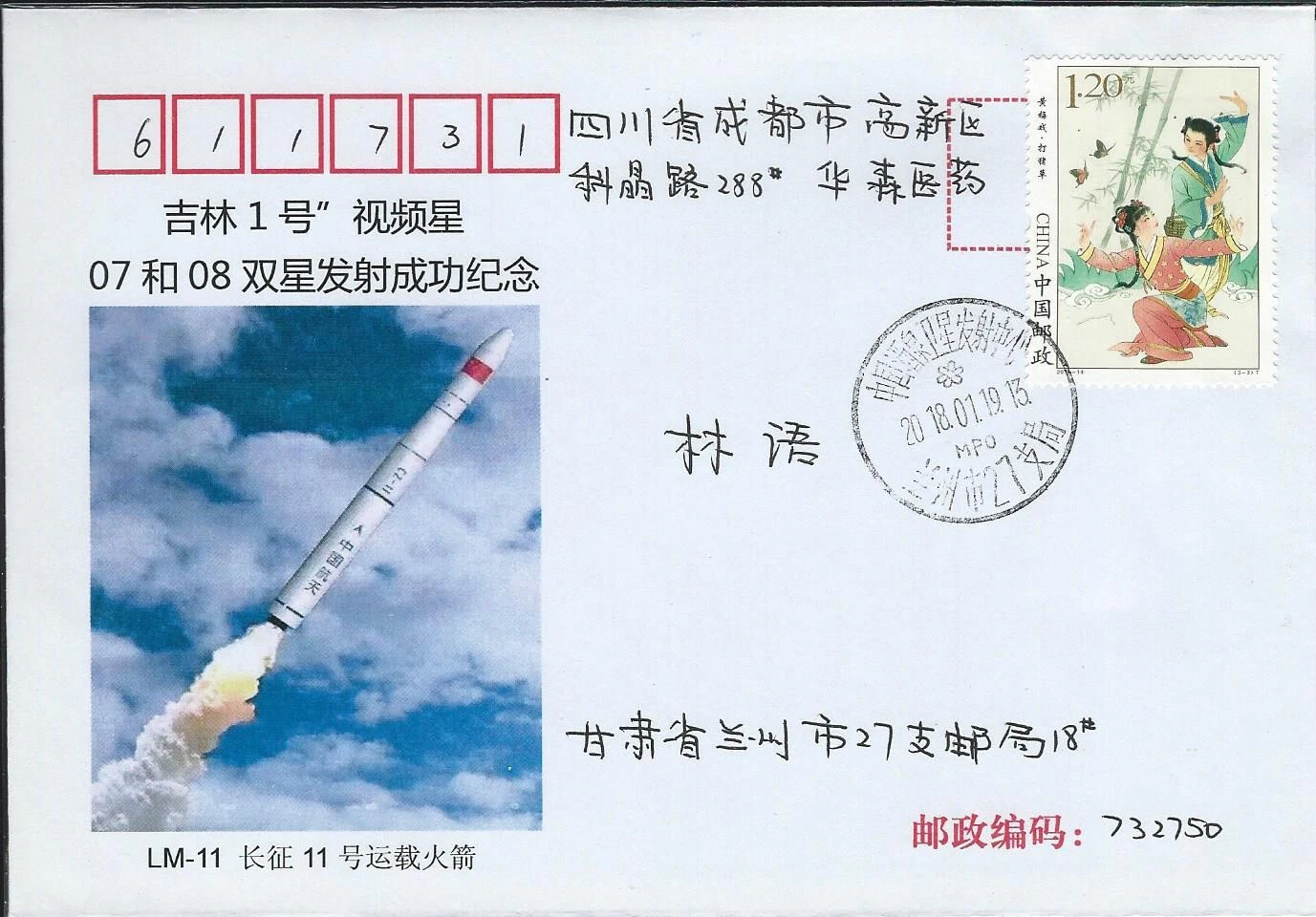
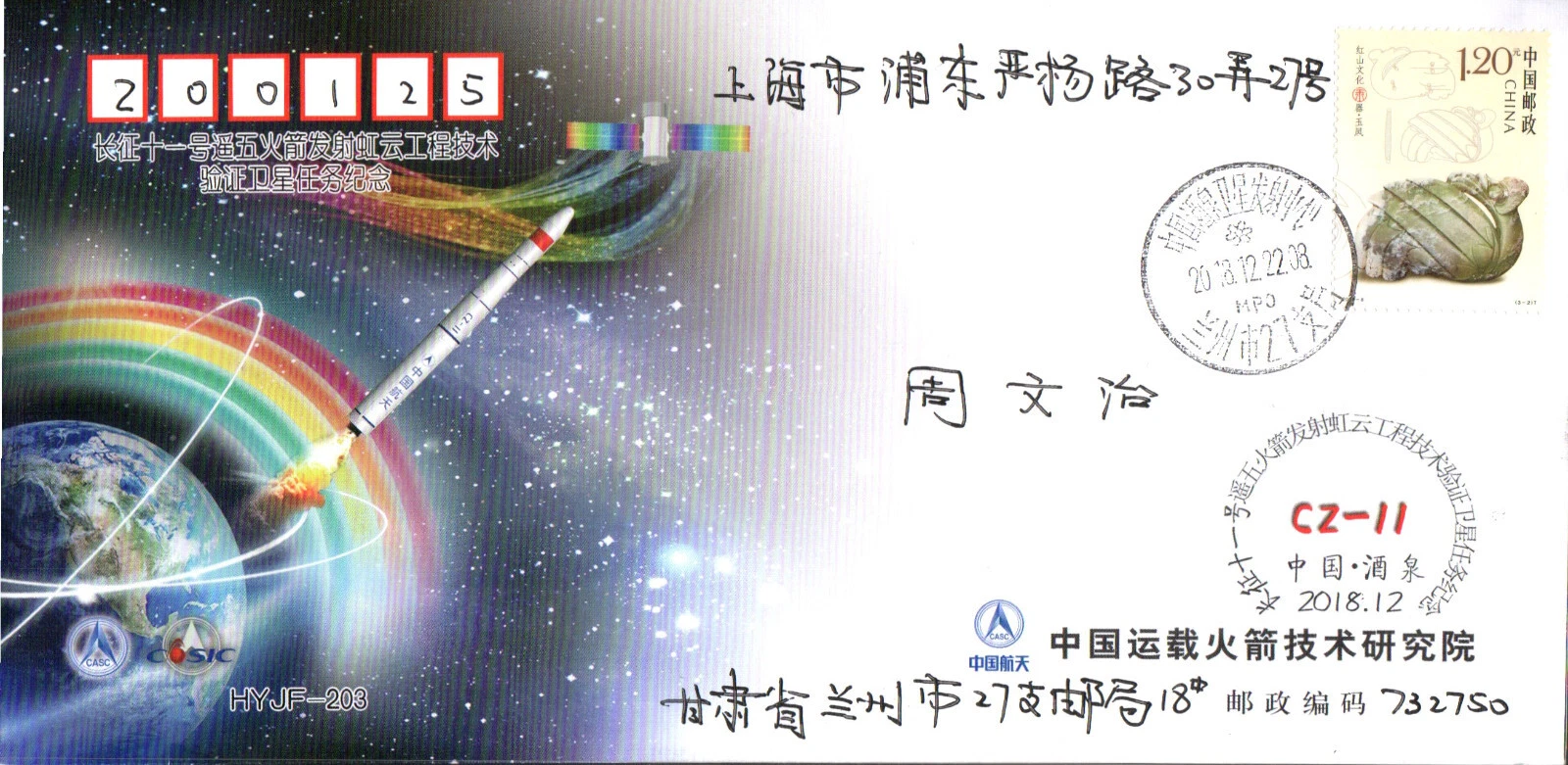
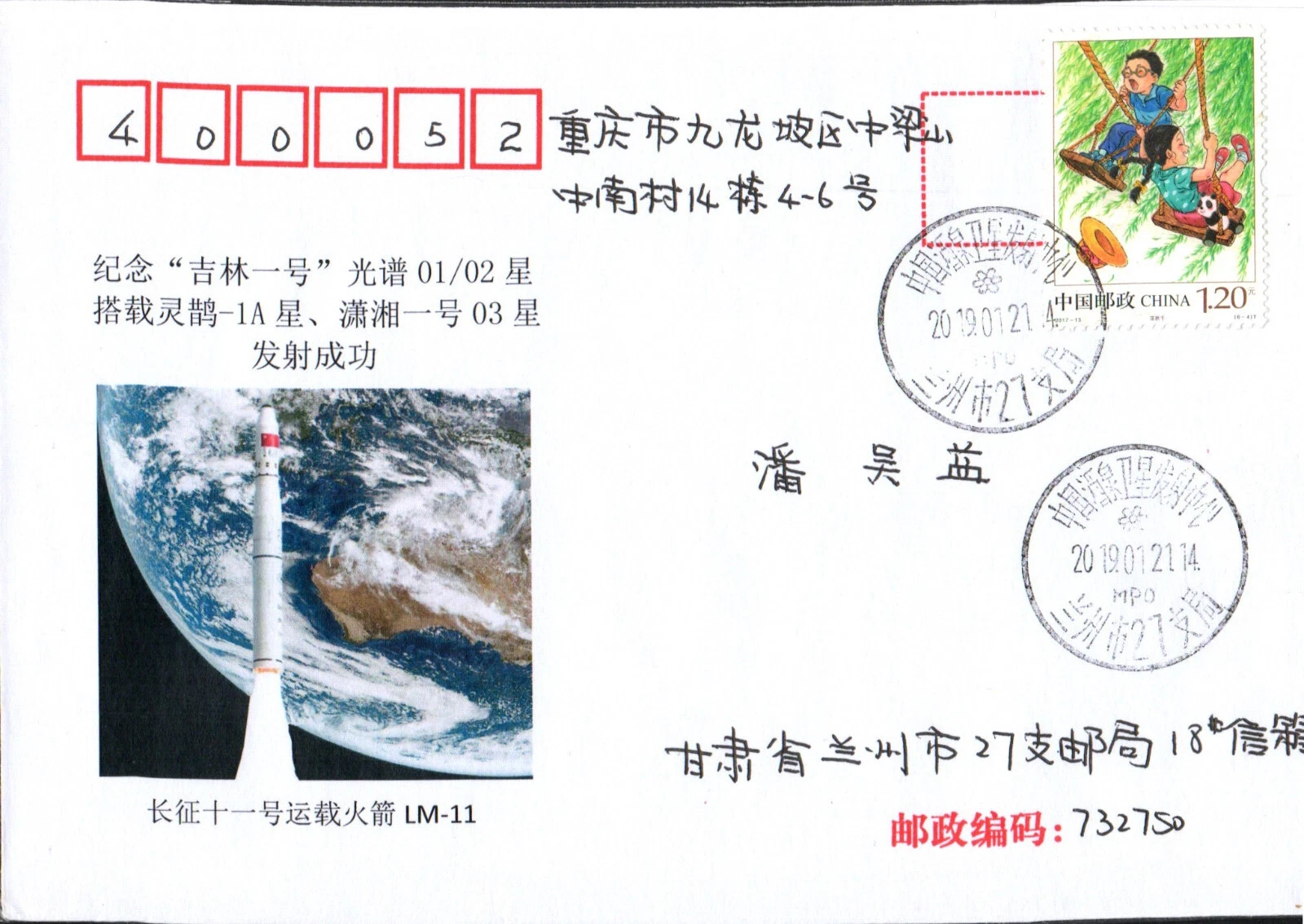
- The CZ-11 is a solid-fuel rocket that applies China's largest solid-fuel rocket engine and was designed to meet the need to rapidly launch satellites in case of emergencies or disasters. Its first launch on 25 September 2015, was reported to be successful and launched 4 micro satellites into sun synchronous orbits.
- On September 25, 2015, China launched its first Chang Zheng (CZ) 11 - a four-stage solid fuel rocket - from Jiuquan Satellite Launch Center. CZ-11 boosted at least
four small satellites into near-polar low earth orbit.
CZ-11 launched at 01:41 UTC from a canister attached to a mobile transporter/erector in a manner similar to that used by Russia's retired Start-1 launch vehicle, which was itself based on Russia's Topol ICBM. The new launch vehicle was developed as a quick-reaction orbital launcher by the China Academy of Launch Vehicle Technology (CALT). The rocket is reportedly 20.8 meters long (other reports suggest 18.7 meters), and 2 meters in diameter with a 58 tonne launch mass and a 120 tonne liftoff thrust. CZ-11 may be able to lift 700 kg to sun synchronous orbit. - CZ-11 may be based on the DF-31 series solid fuel ballistic missile already in China's inventory. The canister used to launch CZ-11 was similar to launch canisters
used by the road-mobile DF-31A.
CZ-11 appears to differ substantially from another quick-response solid fuel orbital launch vehicle named "Kuaizhou" ("Quick Vessel") that China began flying in 2013, also from Jiuquan Satellite Launch Center. The first CZ-11 may, however, have been launched from a mobile pad at Jiuquan, the second of two built northeast of the CZ-2F launch site, that also hosted the second Kuazhou launch in 2014.