|
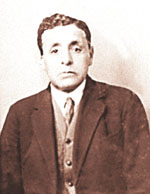
Peruvian chemical engineer reputed to have conducted experiments in Paris, beginning
in 1895, on a rocket motor made of vanadium steel that burned a combination of
nitrogen peroxide and gasoline. If true, this would credit Paulet as the designer
of the first liquid-fueled rocket.
The motor was described as weighing about 5 lb and using spark gap ignition of
the fuels within a combustion chamber.
It was said to have been capable of producing a 200-lb thrust at 300 sparks per
minute. Paulet claimed that his rocket motor could burn continuously for as much
as one hour without suffering any ill effects. However, news of what may have
been a groundbreaking advance in rocketry did not surface until October 27, 1927,
when a letter from Paulet appeared in an issue of the Peruvian publication El
Comercio in which he claimed legal ownership of his earlier rocket motor design.
Recognizing that rocketry was beginning to boom in Europe, Paulet sought witnesses
to help verify the work he said he had done years earlier. The letter was circulated
across the world by a Russian named Alexander Scherschevsky in summary form. Had
Paulet’s work been authenticated, he would today be considered the undisputed
father of liquid propellant rocketry. As it is that title is more commonly attributed
to Robert Goddard.
|