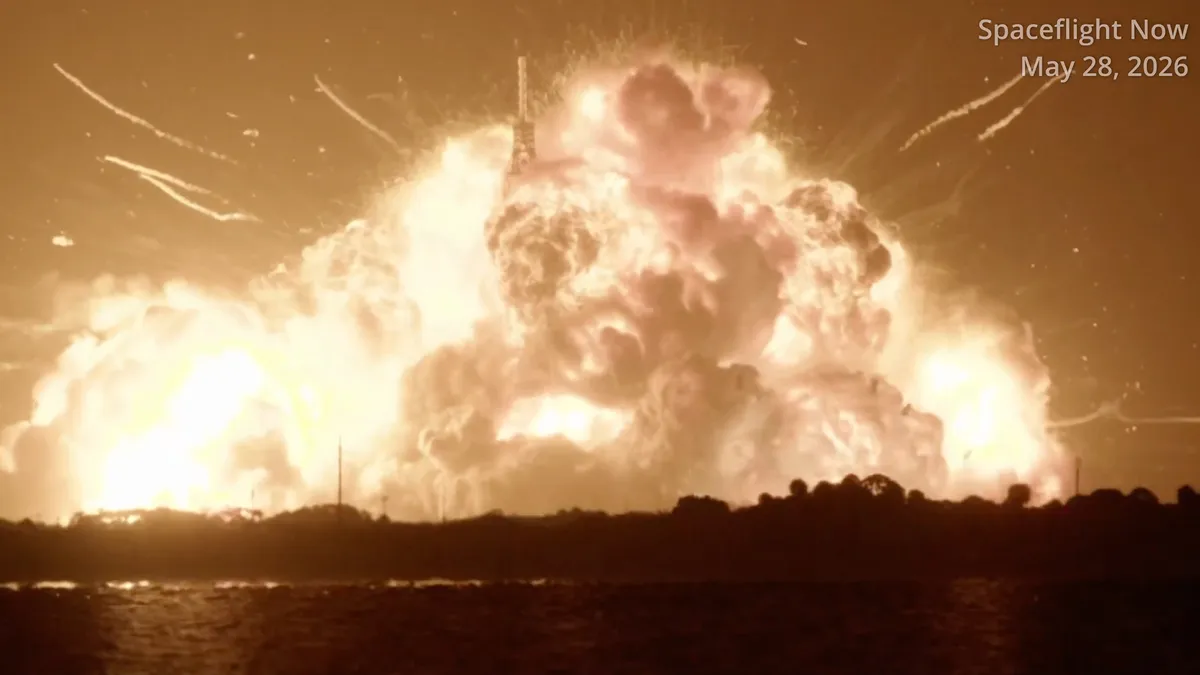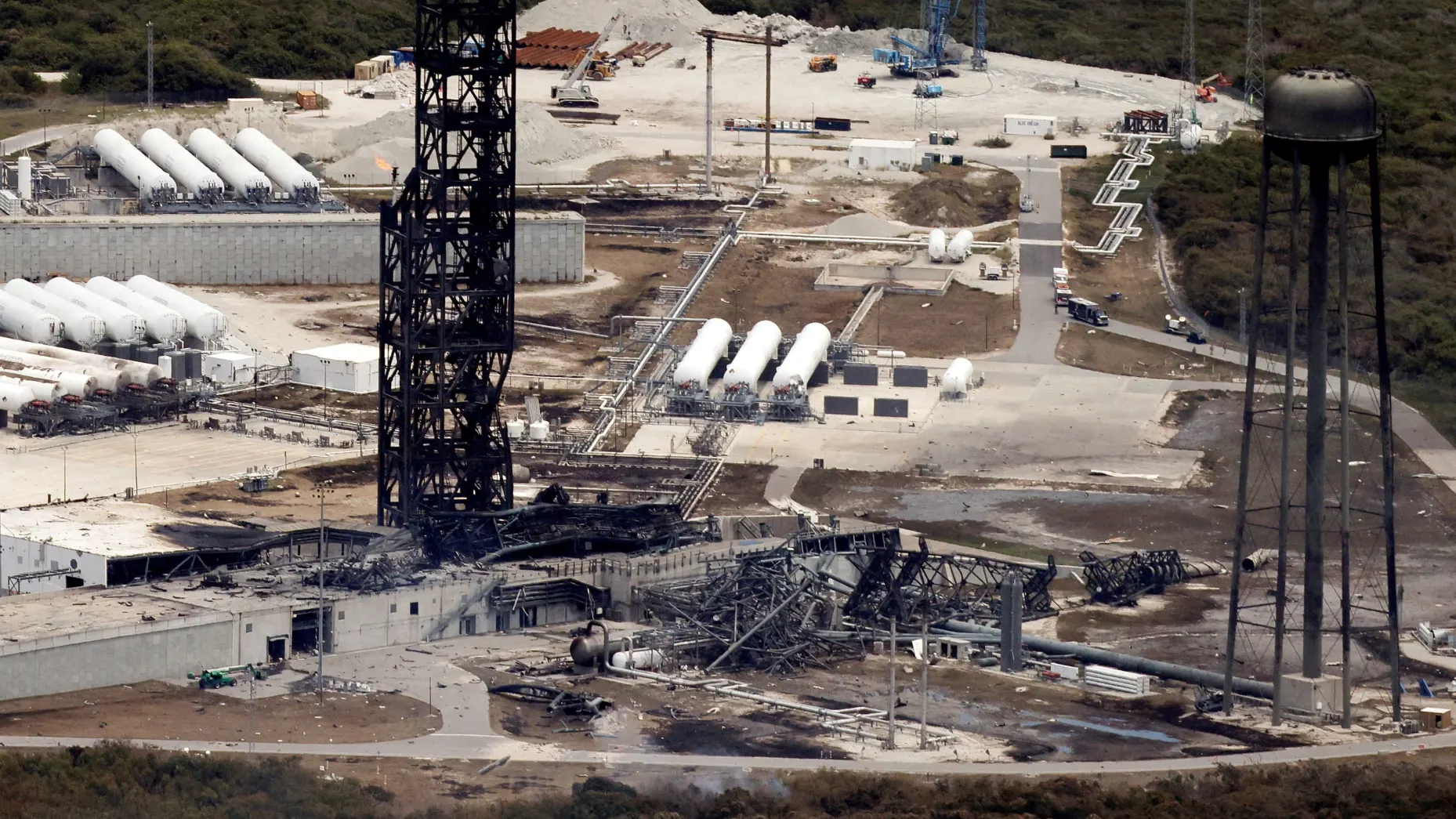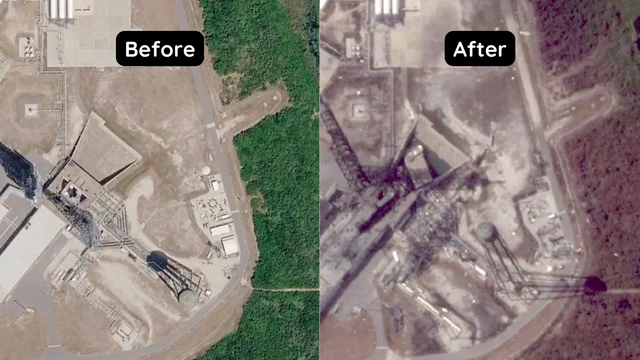
On May 28, 2026, a Blue Origin New Glenn rocket exploded during a static fire test at Cape Canaveral Launch Complex 36 in Cape Canaveral, Florida.
The explosion destroyed the vehicle and severely damaged Launch Complex 36, Blue Origin's only operational New Glenn launch site. The incident halted New Glenn launch operations while the cause of the explosion was investigated and repairs to the facility were assessed. No injuries were reported.
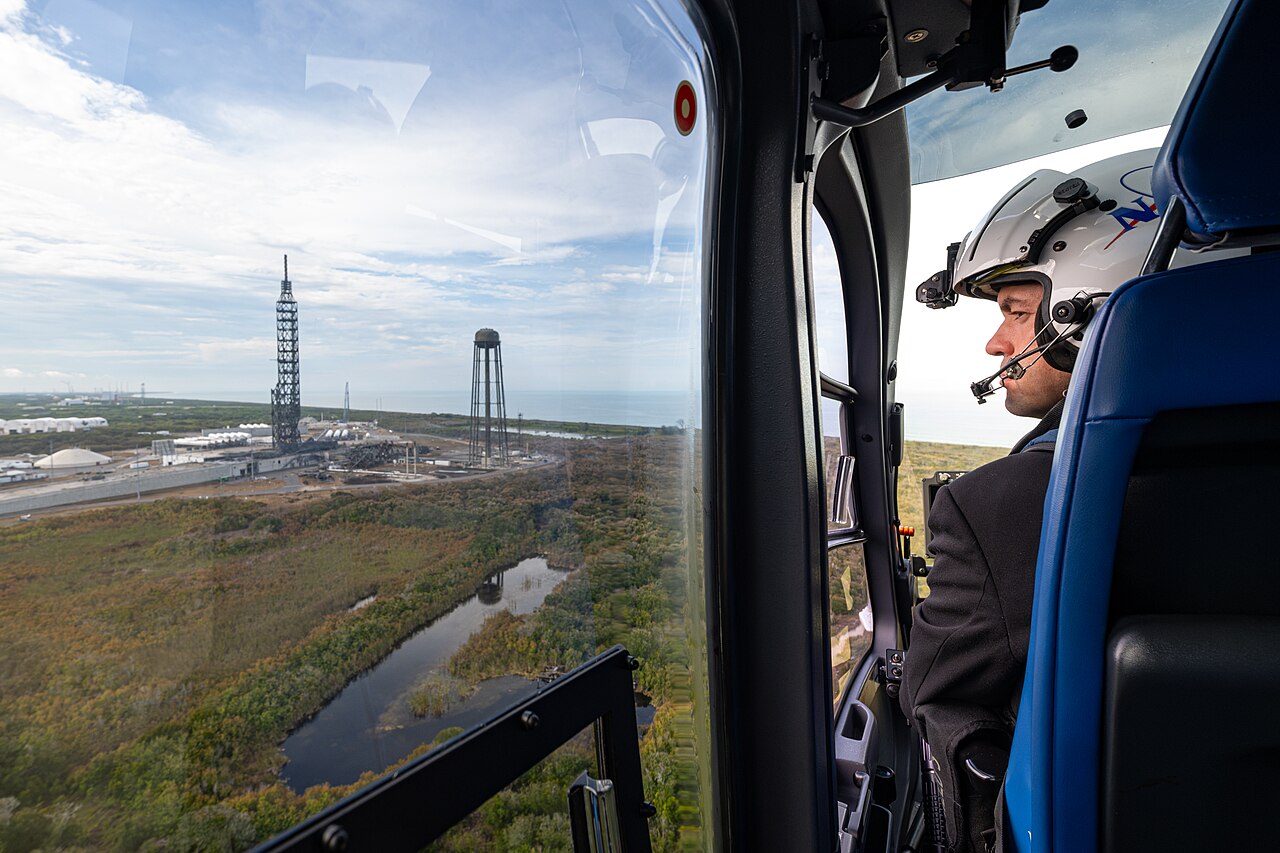
NASA Administrator Jared Isaacman observes the damage to Launch Complex 36
Descriptions:
Following the third flight of New Glenn on April 19, 2026, the Federal Aviation Administration opened an investigation after the rocket's second stage failed to reach its intended orbit.
During the mission, the first stage landed successfully on a barge, but the second stage experienced an anomaly that prevented it from reaching its target orbit.
Blue Origin was preparing New Glenn's return to flight when the May 28 explosion occurred.
Launch preparations/Incident:
On May 28, 2026, the third New Glenn first stage booster, named No, It's Necessary, was undergoing a static fire test when it exploded.
The explosion was believed to be the most powerful rocket explosion since the Soviet Union's N1 moon rocket was destroyed during its second launch attempt in 1969.
The explosion destroyed the first stage alongwith the attached and fueled second stage, causing significant damage to Launch Complex 36, Blue Origin's only operational
New Glenn launch site. No injuries or fatalities were reported.
Shortly after the explosion, Jeff Bezos, founder of Blue Origin, stated on X that all personnel had been accounted for and were safe.
NASA Administrator Jared Isaacman stated on X that NASA would support the investigation into the explosion and assess any impacts on future missions, including the
Artemis program. He later visited Launch Complex 36 to inspect the damage and speak with Blue Origin employees. In an email to the NASA workforce, Isaacman said the incident
could potentially affect NASA's Artemis and Moon Base plans.
Aftermath:
The loss of the vehicle and damage to Launch Complex 36 disrupted Blue Origin's New Glenn launch schedule. According to industry sources cited by Ars Technica, repairs
to the launch complex or completion of an alternative launch facility could take more than a year. Reuters similarly reported that the explosion was expected to delay New Glenn
operations for months while repairs and investigations proceeded.
The explosion also affected plans for the Blue Moon Mark 1 cargo lander and Mark 2 crewed lander,
both of which were designed to launch aboard New Glenn and had been selected for several NASA lunar missions. Time reported that the full effect of the incident on future NASA Artemis
program lunar missions remained unclear. BBC News reported that delays to New Glenn could affect the timetable for missions that planned to use the rocket, including the Amazon Leo constellation.